
The True Cost of a Service Dog Team
Approximately $21,000 supports the training, equipment, professional guidance, evaluations, and lifetime assistance required to prepare a veteran and service dog to succeed together.
Approximately $21,000 is a significant investment.
We believe our donors, partners, and community deserve to understand what that figure represents—and why preparing a veteran and service dog to work successfully together requires far more than teaching a dog a few commands.
At K9 Partners for Patriots, the investment does not simply pay for a dog. It supports a comprehensive, six-month training journey in which a veteran and dog learn to become a safe, confident, and dependable service dog team.
It also supports the evaluation, equipment, professional guidance, ongoing reviews, and lifetime assistance that help the partnership continue long after graduation.
We Are Preparing Two Lives to Work Together
K9 Partners for Patriots does not hand a veteran a fully trained dog and send them home.
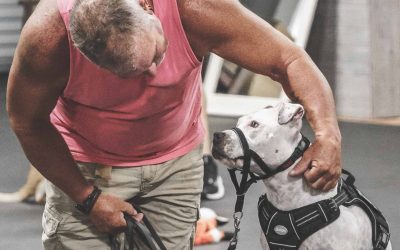
From the beginning, the veteran participates directly in the dog’s training. With guidance from professional instructors, the veteran learns how to communicate with the dog, reinforce reliable behavior, recognize signs of stress, manage challenges, and navigate everyday life as part of a working team.
A service dog must learn how to respond to the needs of one particular person. At the same time, the veteran must develop the skills, confidence, consistency, and trust needed to guide and care for the dog.
We are not simply training a dog.
We are building a partnership.
This Hands-On Model is Intentional.
It All Begins with the Right Dog
Not every good dog is suited for service work.
A potential service dog must have the temperament, health, stability, and willingness to meet the demands of public access and daily life.
A dog may be friendly and well-behaved at home but still become fearful, distracted, reactive, or overwhelmed in unfamiliar environments.

Rescue Dog
When K9 Partners for Patriots provides a rescue dog, the process includes identifying and evaluating potential candidates, assessing temperament, supporting the dog through its transition, and addressing its health and veterinary needs.
Veteran's Dog
When a veteran applies with a personally owned dog, that dog must also be evaluated to determine whether it is an appropriate candidate for service work and public access.
Careful evaluation protects the veteran, the dog, the public, and the integrity of legitimate service dog teams.
Service Dog Training Goes Far Beyond Basic Obedience
Commands such as sit, stay, come, and heel are important foundations, but they are only part of the process.
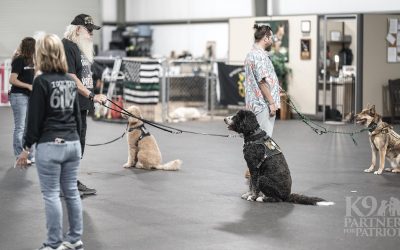
A service dog team must learn to function appropriately in a wide variety of environments and situations.
Training may involve navigating:
- Stores and restaurants
- Medical offices
- Crowded or unfamiliar public places
- Grocery shopping
- Transportation and vehicle loading
- Urban and outdoor environments
- Unexpected noises, movement, and distractions
- Situations that may contribute to the veteran’s PTSD-related distress
The dog must remain under control and behave appropriately. The veteran must understand how to guide the dog, recognize when the dog needs assistance, respond to challenges, and advocate appropriately for the team.
These skills require repetition, consistency, professional observation, and real-world practice. They cannot be developed responsibly through a single class, a short online course, or the purchase of a vest and identification card.
Every Team Receives Individualized Guidance
No two veterans are exactly alike, and neither are their dogs.

Each team arrives with different experiences, abilities, challenges, and goals. Some veterans may be returning to public places they have avoided for years. Some dogs may need additional help developing confidence or learning to remain focused in the presence of particular distractions.
Professional instructors must be able to observe both team members, identify concerns, adjust training methods, track progress, and help resolve problems before they become unsafe or unmanageable.

This Individualized Support Requires...
Time, Expertise, Preparation, and Careful Attention Throughout the Program.
The Investment Includes Essential Equipment
Veterans in the K9 Partners for Patriots program receive the equipment needed to train, transport, identify, and care for their service dogs appropriately.
Providing this equipment helps ensure that veterans can participate fully in training without having to absorb the cost themselves.
Depending on the needs of the team, this may include:
- A service dog vest
- K9P4P identification materials
- A certification booklet documenting the team’s participation in and completion of the K9P4P program
- A crate
- Leashes and a collar
- A vehicle safety restraint
- A tactical backpack
- Training tools and other necessary equipment
However, a vest, identification card, or booklet does not legally make a dog a service dog. The dog must be individually trained to perform work or tasks related to a person’s disability and must remain under control in public.
What K9P4P Means by "Certification"
When K9 Partners for Patriots uses the term “certification,” we are referring specifically to our own program evaluation and documentation process.
There is NO Federally Required or Government-Issued Certification for Service Dogs Under the Americans with Disabilities Act.
A person does not gain public-access rights by purchasing a certificate, registering a dog online, or placing a vest on a pet. Businesses also may not require a service dog handler to present certification as a condition of entry.
It means that, at the time of evaluation, K9P4P determined that the veteran and dog had:
- Completed the required phases of our training program
- Demonstrated the skills taught through the program
- Met K9P4P’s expectations for behavior, handling, and teamwork
- Demonstrated the ability to function together as a working service dog team
K9P4P maintains records of the teams trained through our program and stands behind those teams.
Our documentation allows us to verify that a veteran and dog participated in our program and met our organization’s standards at the time of evaluation.
It is not a federal license, a government certification, or a document that businesses may require before allowing a legitimate service dog team to enter.
Our Responsibility Does Not End at Graduation
A service dog team’s needs can change over time.
A veteran may experience a change in health, housing, employment, or daily routine. A dog may encounter a new behavioral challenge, develop a medical concern, or need help adjusting to a new environment.
That is why K9 Partners for Patriots provides continued support after the initial training program.
Teams return for a six-month review and annual reviews thereafter. These evaluations help us assess the team’s continued progress, identify areas that may need attention, and provide additional guidance when appropriate.
These reviews are part of K9P4P’s commitment to the teams we train. They are not federally required service dog certifications, nor do they determine whether a person has rights under the ADA.
Our goal is accountability, safety, and long-term success.
The Program Requires More Than What the Public Sees
A weekly class may be the most visible part of the program, but considerable work happens behind the scenes.
The approximately $21,000 investment helps support:
- Dog evaluation and placement
- Veterinary and animal-care needs
- Training facilities and scenario environments
- Individualized training plans
- Equipment and program materials
- Progress evaluations and recordkeeping
- Administrative coordination
- Insurance and operational expenses
- Follow-up evaluations
- Continued assistance throughout the life of the team
- Professional instructors and program staff
These resources enable K9P4P to provide a structured, responsible program rather than simply placing a dog with a veteran and hoping the partnership succeeds.
The Veteran Never Receives a Bill
The complete K9 Partners for Patriots program is provided at no cost to the veteran.
That includes the training journey, program equipment, professional support, team evaluations, and continued assistance.
The fact that a veteran is not charged does not mean the program is free to provide. The expense is made possible by individual donors, foundations, corporate partners, community organizations, volunteers, and others who believe veterans should have access to this support without facing an additional financial burden.
Every donation helps carry a portion of that responsibility.
The Return on the Investment Is Human
The value of a service dog team cannot be measured only by the cost of classes, equipment, staffing, or veterinary care.
For a veteran living with PTSD, traumatic brain injury, or military sexual trauma, the partnership may contribute to greater confidence, increased independence, improved daily structure, renewed connection, and the ability to reengage with parts of life that once felt unreachable.
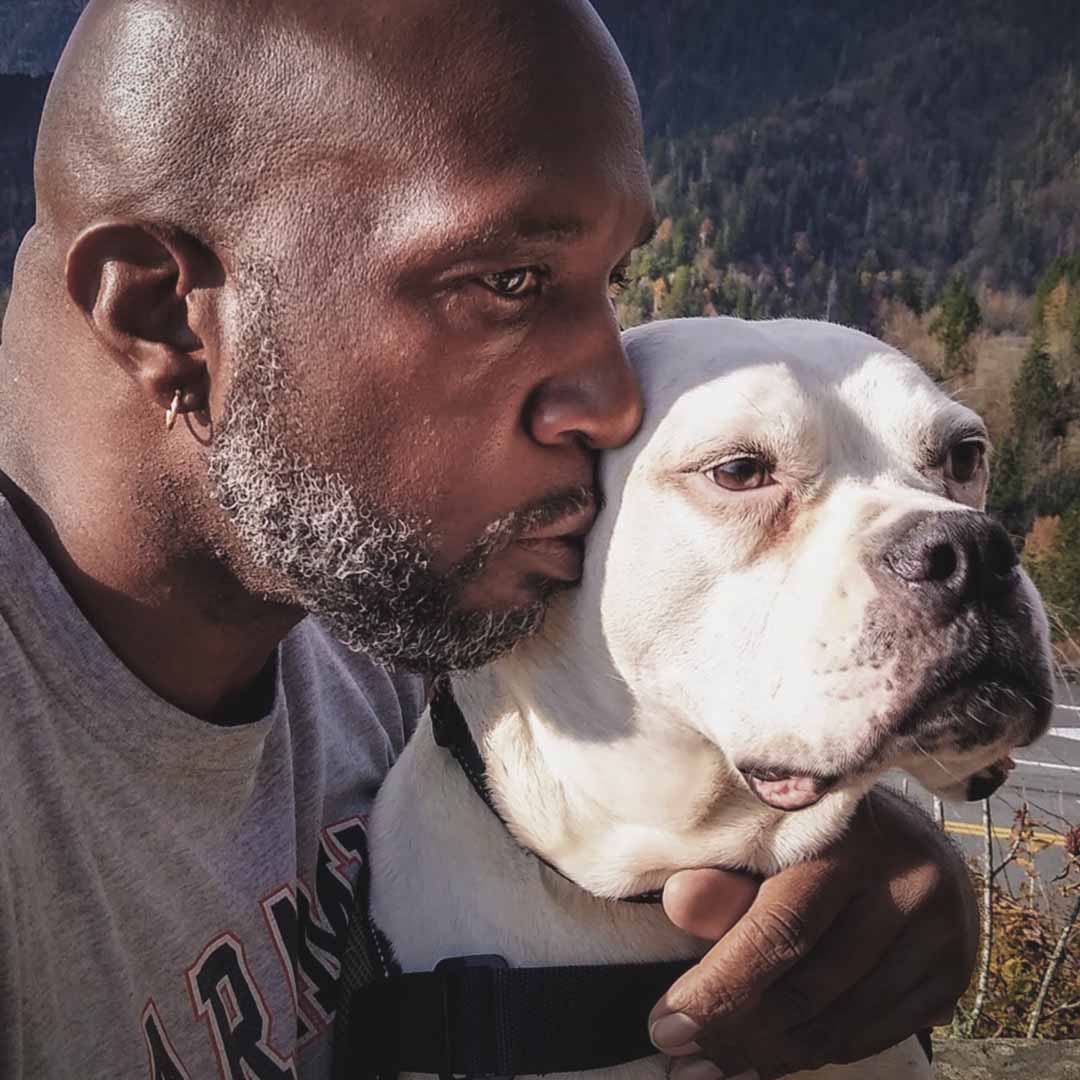
The dog also receives a life of purpose, care, stability, and connection.
$21,000 is a Substantial Investment
Because Building a Responsible Service Dog Team is a Substantial Undertaking
Behind that figure are months of work, professional expertise, essential resources, continued accountability, and a lifetime commitment to the veteran and dog.
It is more than the cost of training a dog. It is an investment in two lives, one team, and a future they will face together.
Help Build the Next Service Dog Team
Your gift can help provide the professional training, equipment, care, and continued support required to prepare another veteran and dog to become a successful service dog team.
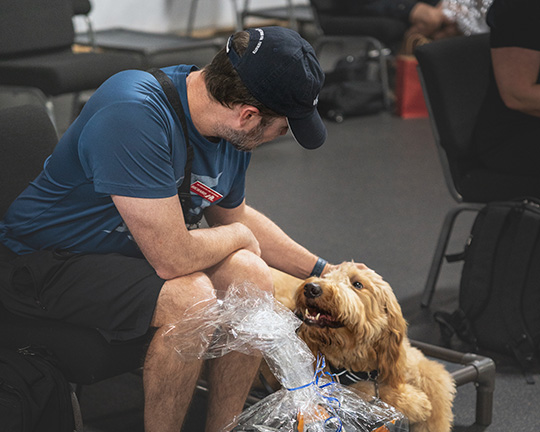
K9 Partners for Patriots receives no payment from the veterans we serve. Their training and support are made possible by people who understand the value of investing in a lasting partnership.